Match the pipe to the stove's flue collar diameter, use single-wall or double-wall connector pipe as the stove and pipe makers allow, keep their stated clearances to combustibles, and run it into a listed chimney or chimney system. The installation manual is the authority on every one of those.
Connector pipe and chimney are different things
Stove pipe (connector pipe) carries smoke from the stove's flue collar to the chimney inside the room. The chimney is the part that passes through ceilings, walls and roof: a masonry chimney with a liner, or a factory-built insulated chimney system. Connector pipe is not made to pass through a wall or ceiling on its own; a thimble or a listed chimney section does that job.
Match the flue collar
Every stove has a flue collar of a set diameter, and makers state it. The connector pipe should match that diameter; the manual says whether any change is allowed and how. A smaller pipe restricts draft and can push smoke into the room; a much larger flue can cool the smoke and build creosote. In our catalog, 8 of 8 wood stoves that state a flue size use a 6-inch collar.
| Type | Construction | Typical use |
|---|---|---|
| Single-wall | One layer of black steel | Exposed connector with larger clearances to combustibles |
| Double-wall (close clearance) | Inner and outer wall with an air gap | Exposed connector where reduced clearances are needed |
| Insulated chimney pipe | Double or triple wall with insulation | Through ceilings, roofs and outside walls (a chimney) |
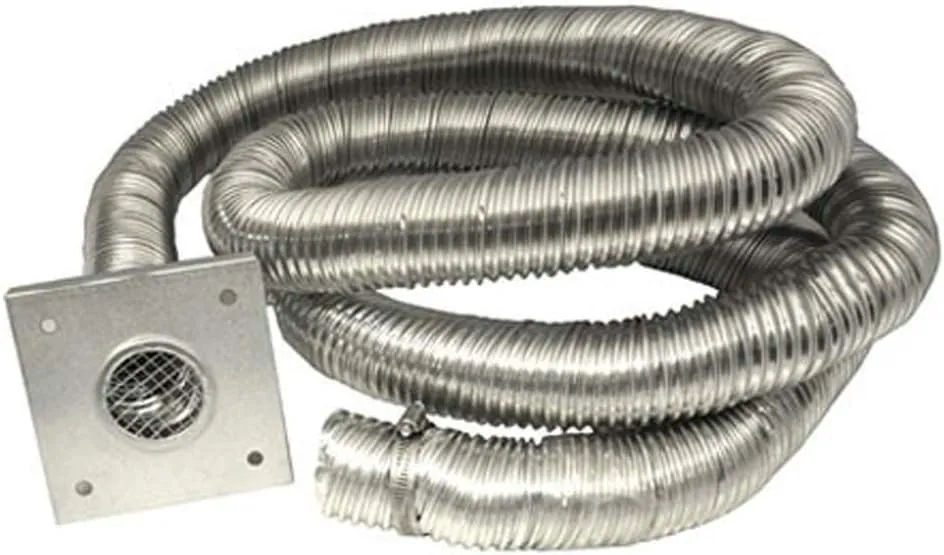
| Stainless liner | Rigid or flexible stainless | Lining an existing masonry chimney, often for an insert |
Clearances
Stove and pipe makers state minimum distances from the stove and its pipe to walls, ceilings and furniture. Double-wall pipe usually allows a smaller clearance than single-wall because its outer wall runs cooler, but the exact figures come from the manuals. Heat shields listed for the purpose can reduce clearances only as the manual permits. Floor protection under and in front of the stove is also specified in the manual.
Running the pipe
- Keep the run as short and straight as the manual allows; each elbow adds resistance.
- Install sections so the crimped end points down toward the stove, so condensate and creosote run back into the stove.
- Fasten every joint with the screws the pipe maker specifies.
- A pipe damper, where the manual allows one, gives extra draft control on stoves that need it.
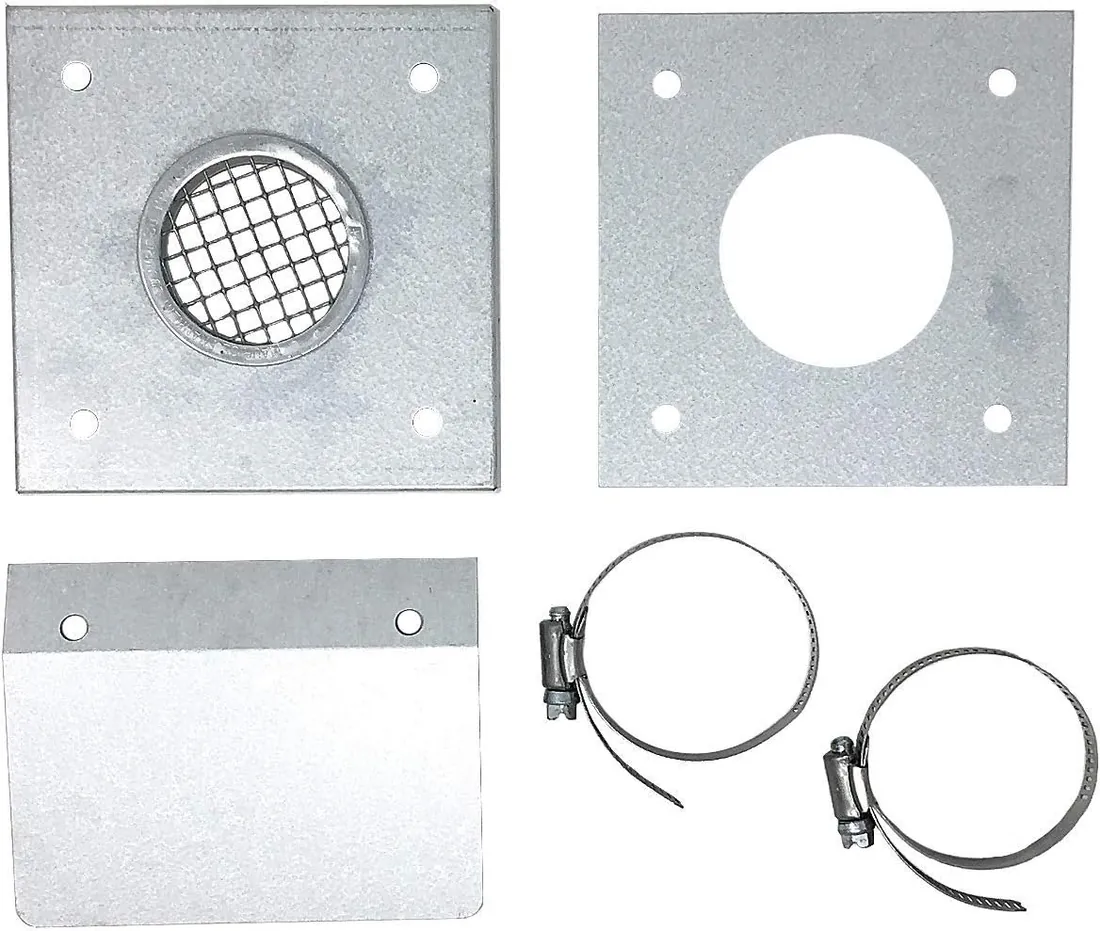
Pipe and liner parts in our catalog: Simpson Dura Vent X 10 Stove Pipe and Stove Parts For Less X 10 Stove Pipe.
Inspection
Connector pipe corrodes over time, especially with wet wood. Inspect it when the chimney is inspected, which NFPA advises each year before the season, and replace sections that are pitted, thin or bulging. After any chimney fire, stop using the stove until a professional inspects the whole system.